Reducing Water Waste in Large-Scale Broiler Farms: Smart Nipple Drinkers Lead the Way
In the realm of livestock and poultry breeding equipment, water management remains a pressing challenge for large-scale broiler farms. According to the U.S. Department of Agriculture, poultry farms use approximately 1,500 gallons of water per 1,000 broilers in a production cycle. With rising costs and environmental concerns, effectively addressing water waste can lead to substantial savings and sustainability. By implementing smart nipple drinkers, famers can minimize water usage while ensuring optimal hydration for the flock, thus addressing both pain points of high operational costs and the need for sustainable farming practices. The benefits of these advanced solutions are increasingly evident in improving productivity and lowering waste.
Key Drivers and Innovations in Water Management
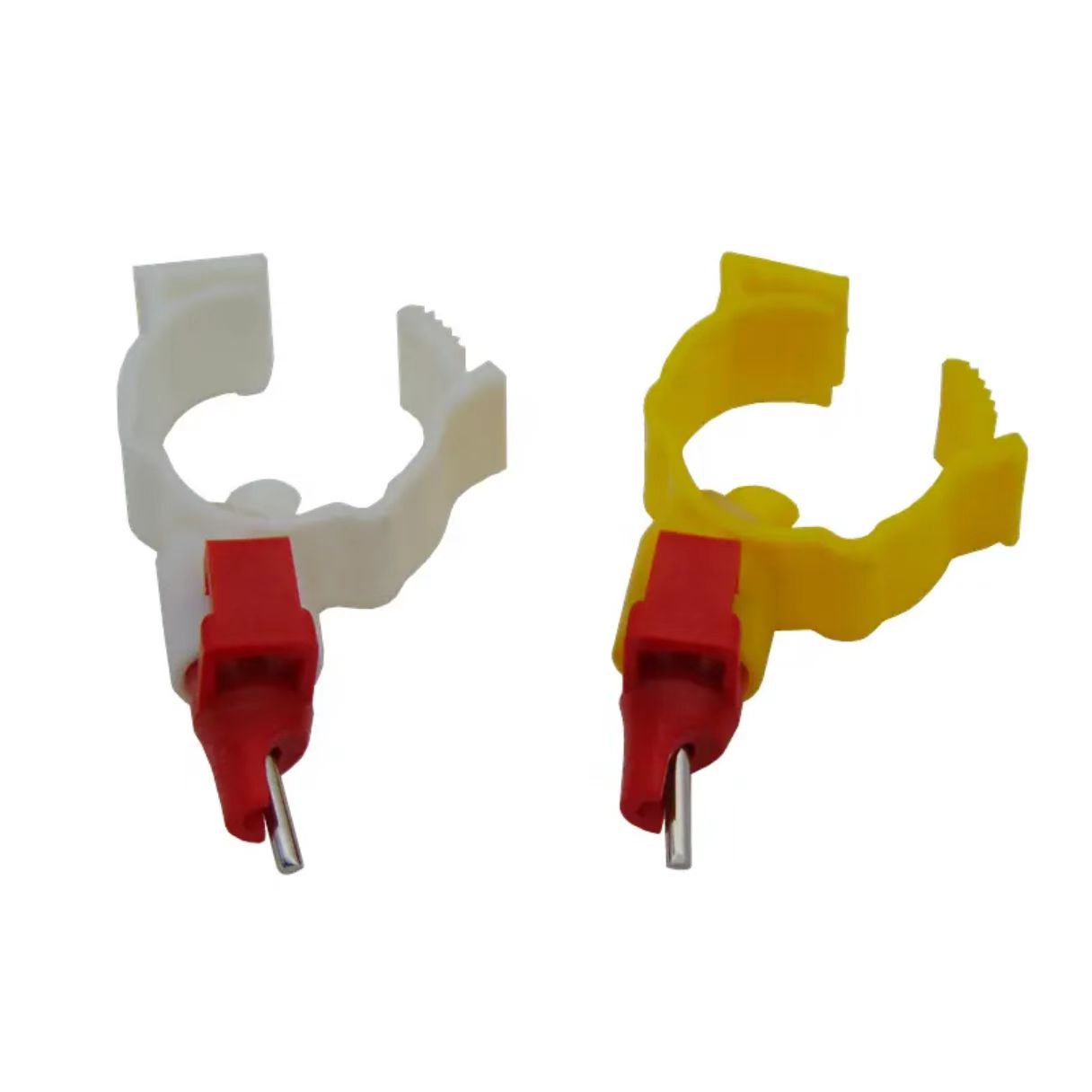
Smart nipple drinkers have revolutionized the way large-scale broiler farms manage water consumption. These systems utilize sensors and automated controls to deliver precise amounts of water to birds, drastically reducing overconsumption. A study published in the Journal of Poultry Science indicated that farms using automated drinkers saw water usage decrease by up to 20%, highlighting the investment's potential for cost recovery through reduced utility bills. Furthermore, these drinkers also improve water quality, providing cleaner hydration options for livestock, which can lead to better growth rates and healthier birds.
Emerging Trends in Water Waste Reduction
1. Integration of Smart Technology
The integration of Internet of Things (IoT) technology in poultry drinker systems is gaining momentum. For example, IoT-enabled smart nipple drinkers can monitor consumption in real-time and send alerts when specific thresholds are breached. According to a study by the American Farm Bureau Federation, IoT applications in agriculture could result in efficiency gains of approximately 30%. This trend not only bolsters water conservation efforts but also aids in better flock management.
2. Precision Farming Techniques
Precision farming techniques allow broiler farmers to tailor their water usage to specific flock needs, further enhancing resource management. Research from the University of California-Davis has shown that implementing precision farming strategies can cut water usage by up to 25%. These techniques help monitor individual bird health and adjust water delivery accordingly, preventing waste while promoting bird welfare.
3. Sustainable Farming Practices
As consumer demand for sustainable products increases, large-scale farms are adopting practices that minimize environmental impact. According to the Sustainable Agriculture Research and Education program, incorporating smart nipple drinkers into the farm’s infrastructure not only reduces water waste but aligns with practices that appeal to environmentally conscious consumers. Farms reporting sustainable practices have seen sales increases of 15% in consumer markets focused on organic and ethical sourcing.
4. Rise of Water Recycling Systems
Innovative water recycling systems are becoming more prevalent in broiler farms, effectively reusing water for irrigation and cleaning purposes. A report by the Water Environment Federation detailed that properly designed recycling systems could reduce overall water consumption in farming settings by over 50%. Such systems, when paired with smart nipple drinkers, can significantly reduce reliance on freshwater resources.
Impact on Buyers: Enhanced Decision Making for Agribusinesses
The advancements in smart nipple drinkers and water management systems put buyers in a position of informed decision-making. By leveraging data-driven insights, farmers can maximize their investment while contributing to sustainable practices. The operational efficiency from using smart drinkers translates to improved profit margins; for instance, studies indicate that farms that implement advanced water systems can see a return on investment (ROI) within two years, with a measurable increase in production effectiveness of up to 15%.
Practical Suggestions for Implementation
Assess Your Current System: Evaluate the existing water delivery systems to identify inefficiencies and areas for improvement.
Invest in Smart Nipple Drinkers: Prioritize smart technologies like the Dongmao nipple drinker, known for its robustness and efficiency in water delivery.
Train Staff: Educate farm personnel about the importance of water conservation techniques and how to use the new systems efficiently.
Monitor and Adjust: Establish a baseline for water consumption pre and post-implementation and regularly analyze to ensure the systems are functioning optimally.
Explore Financial Incentives: Look for government or institutional incentives that support the transition to sustainable farming practices.


评论
发表评论